

Research, clinical practice, and technical perspectives on AI-assisted IMRT planning and radiation oncology.

A Tohoku region pilot shows AI-assisted IMRT planning cut time-to-first-plan from 2.5 hours to 40 minutes at community hospitals — with 93% first-pass approval. Here is what the data actually shows about capacity, case scope, and what the technology cannot replace.
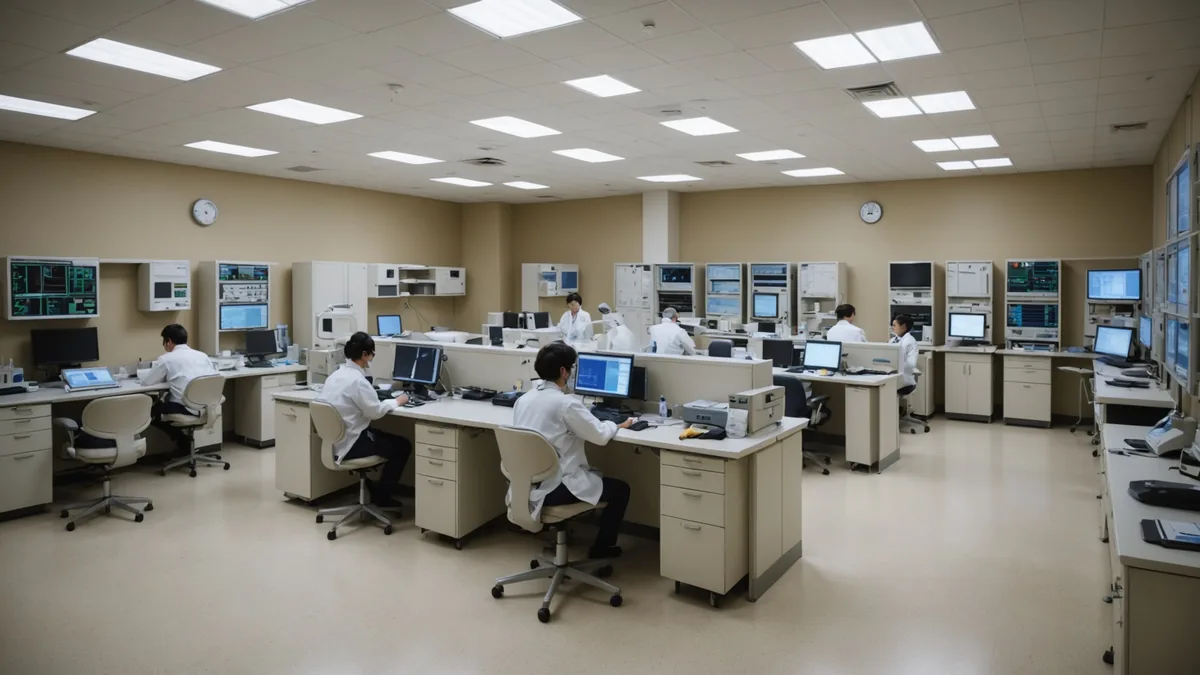
Japan has roughly 600 certified medical physicists for 800-plus radiation oncology clinics. This piece maps the structural causes of the shortage — fellowship bottlenecks, retirement waves, billing invisibility — and what the mitigation options honestly look like.
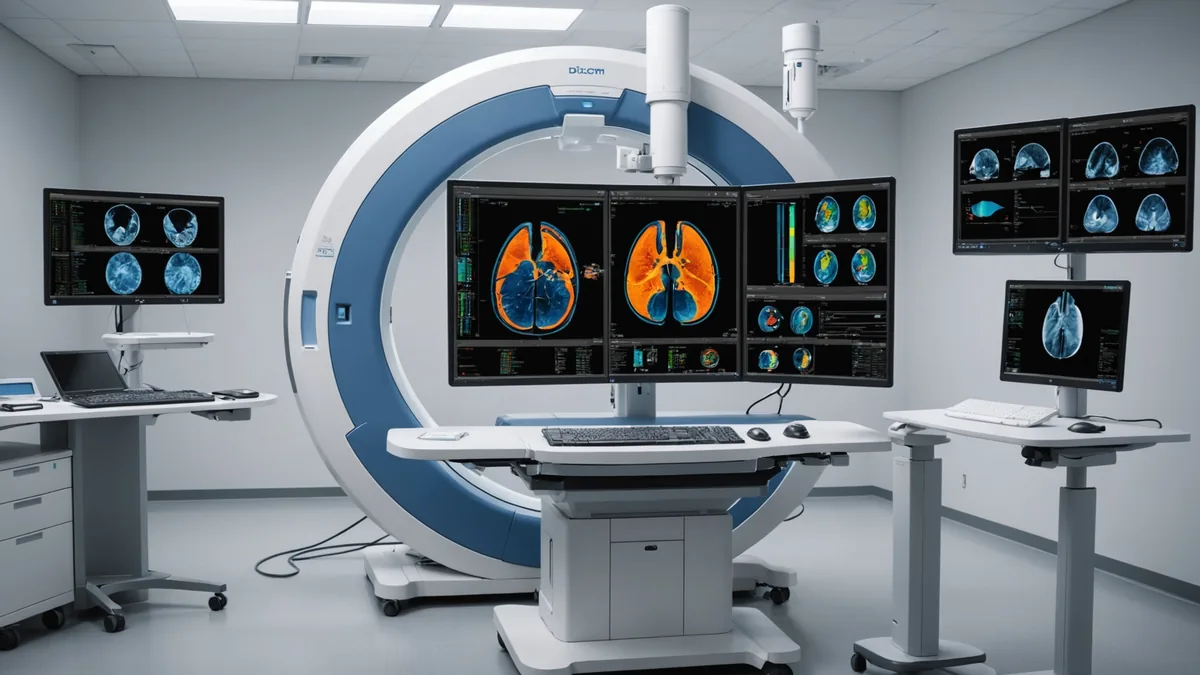
Integrating AI planning output with Eclipse, RayStation, Monaco, and Pinnacle via DICOM-RT involves vendor-specific quirks that go well beyond field mapping. Coordinate anchoring, UID chains, structure naming, and why plan QA after every import is not optional.
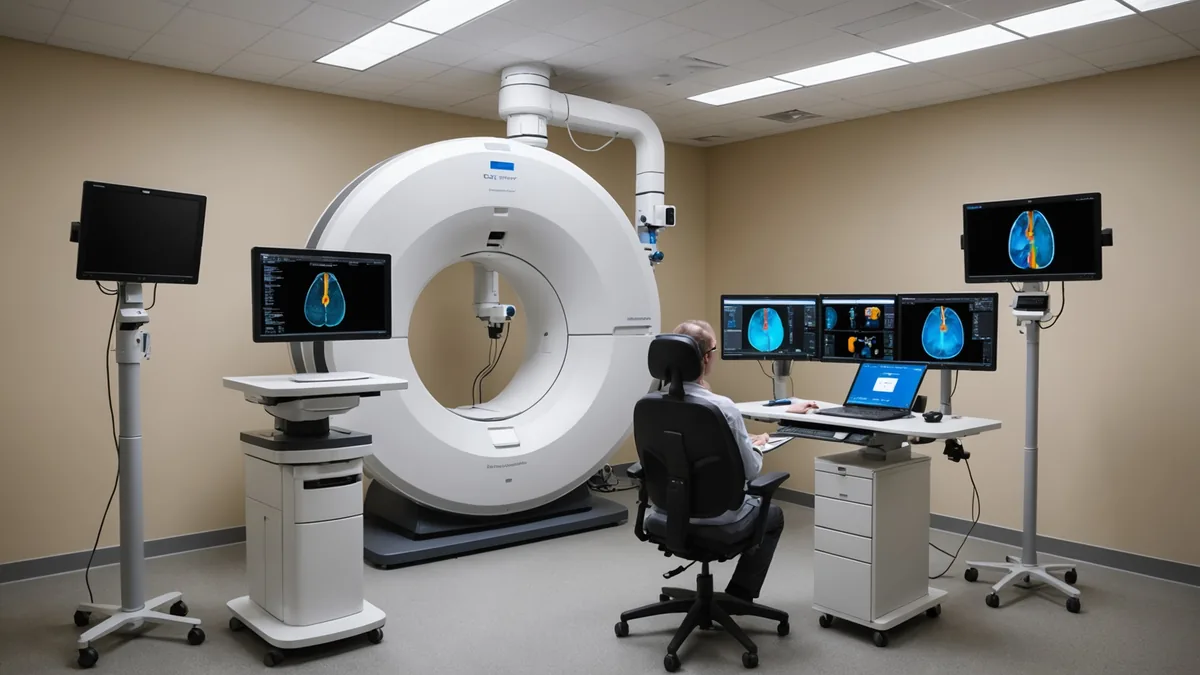
Conformity index, Paddick CI, and homogeneity index are distinct metrics that measure different things — and the acceptable range depends on site and fractionation. TG-218 benchmarks, where the indices break down, and how AIVOT reports them automatically.

Generic DVH constraints assume average anatomy. When patient geometry deviates from training distributions, those constraints fail quietly. Anatomy-aware conditional models reduced contralateral parotid dose by 32% in atypical head-and-neck cases where standard objectives fell short.
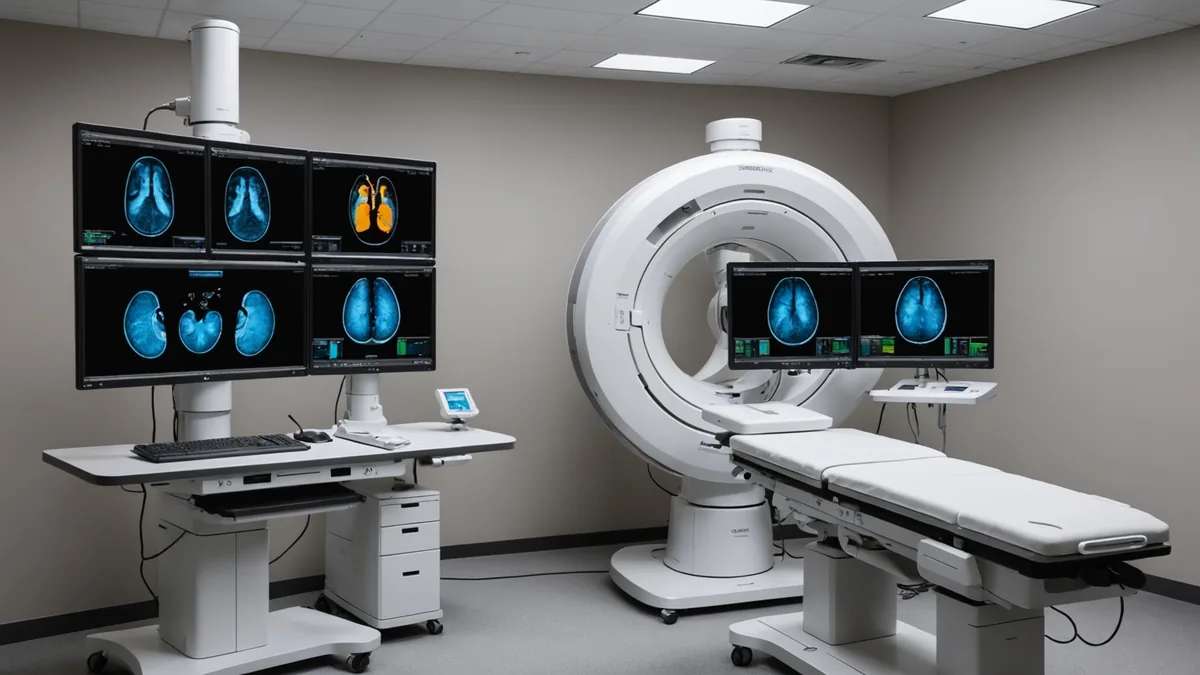
RapidPlan and RayStation DLP take fundamentally different approaches to AI-assisted IMRT planning. A clinical comparison of model training requirements, workflow integration depth, Japan deployment costs, and what each platform's QA implications mean in practice.
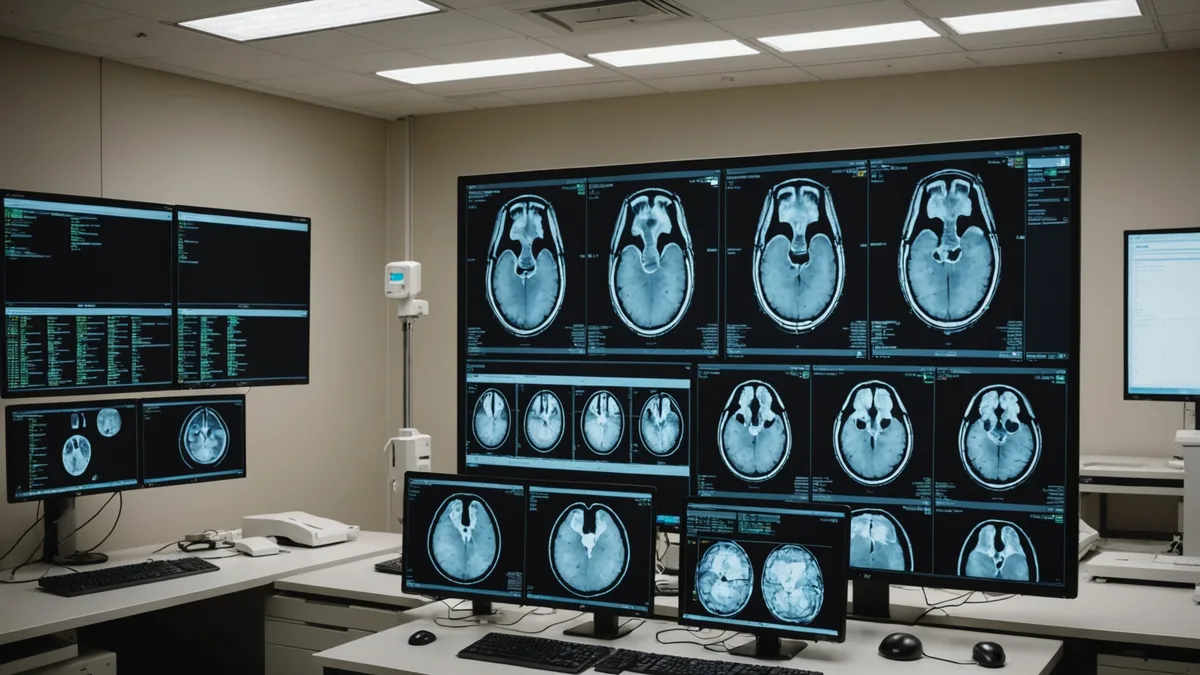
300 cases, four sites, six months. The AIVOT pilot at Tohoku University Hospital cut time-to-first-plan from 2.3 hours to 38 minutes, achieved 94% first-pass approval on prostate cases, and recovered 660 dosimetrist hours — with contralateral parotid mean dose down 1.8 Gy.
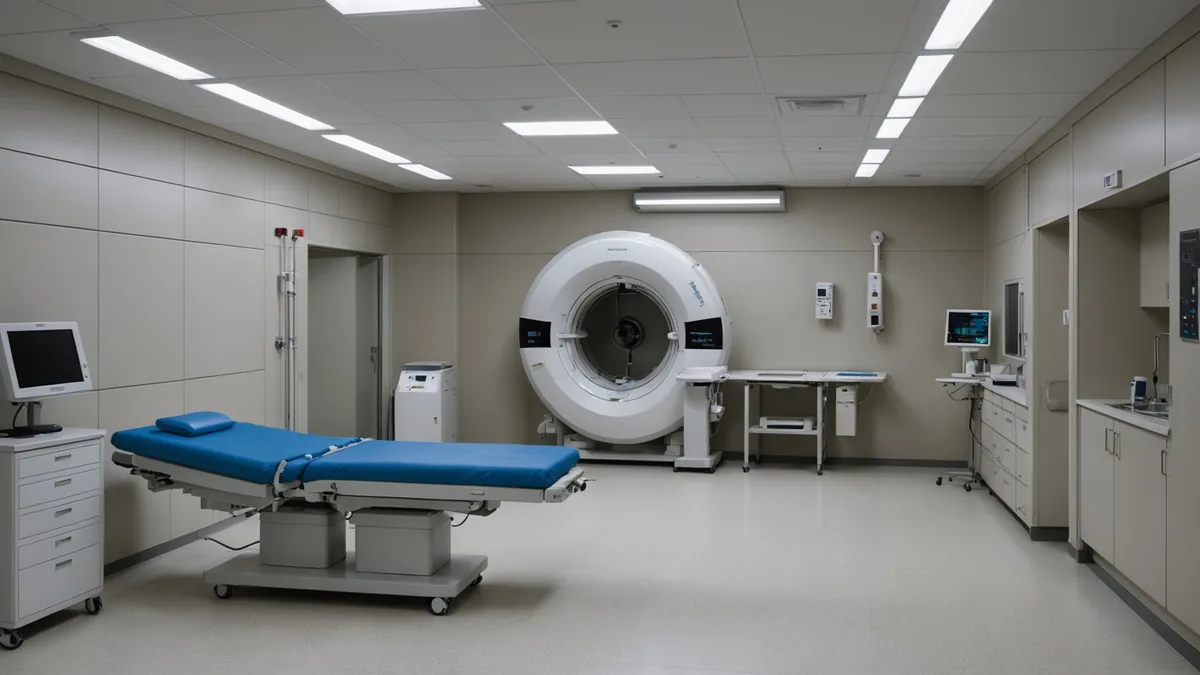
Japan's average radiation therapy treatment start delay is 14.6 days from simulation to first fraction. This article breaks down each contributing step in the planning-to-delivery chain and identifies where AI-assisted planning makes a measurable difference — and where it does not.
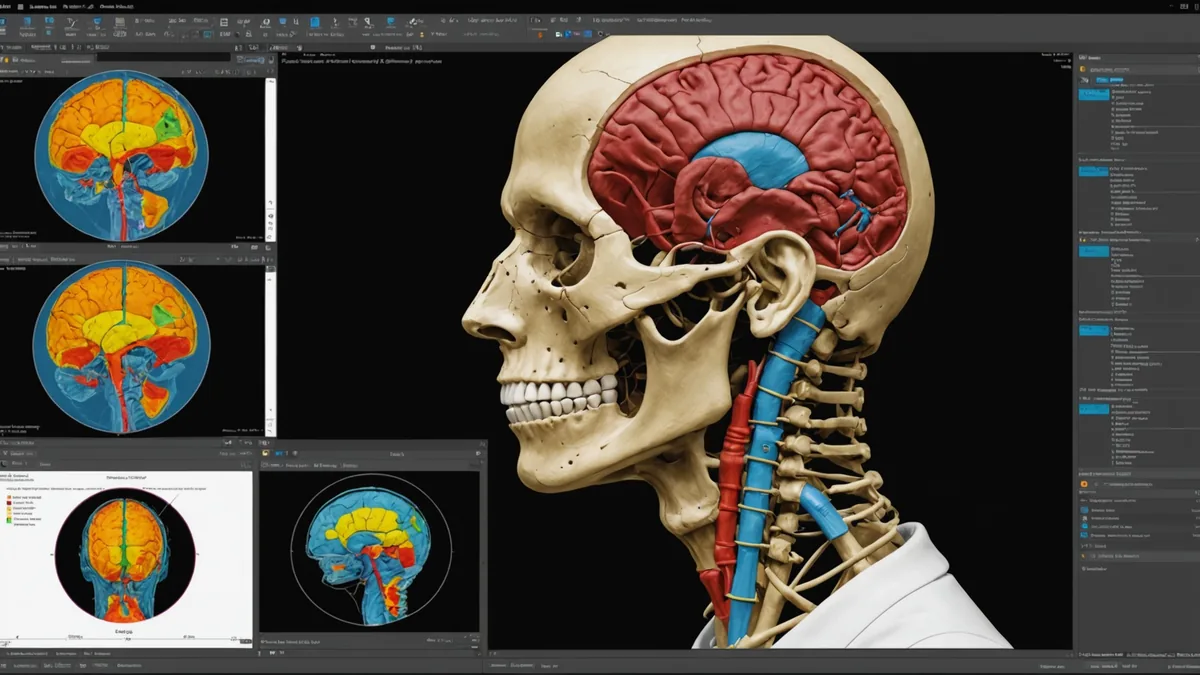
Head-and-neck IMRT concentrates the hardest planning constraints in radiation oncology: overlapping targets, nine or more OARs within millimeters of each other, and bilateral structures that demand simultaneous trade-offs. Why manual planning hits hard limits here, and where AI changes the math.

Rectal and bladder dose constraints for prostate IMRT are well-defined — RTOG 0126, QUANTEC — yet first-plan compliance rates at community hospitals average below 75%. How bladder filling protocols affect constraint achievement, and why AIVOT reaches 94% first-iteration pass rates.

A 12-month prostate cohort audit found mean rectal V70 had drifted 4.2 percentage points above protocol — no individual plan had been flagged. Protocol drift is a population-level shift, not an outlier problem. Here is the methodology for detecting it before it becomes entrenched.

Japan's ¥12 billion TPS and QA software market is entering a structural inflection, with JASTRO 2024 guidelines explicitly endorsing AI-assisted planning for the first time. An honest read on incumbent TPS share, the PMDA regulatory path, and where the market goes over the next five years.